

More Than a Game: The Bible Bowl Experience
Posted: June 10th, 2026

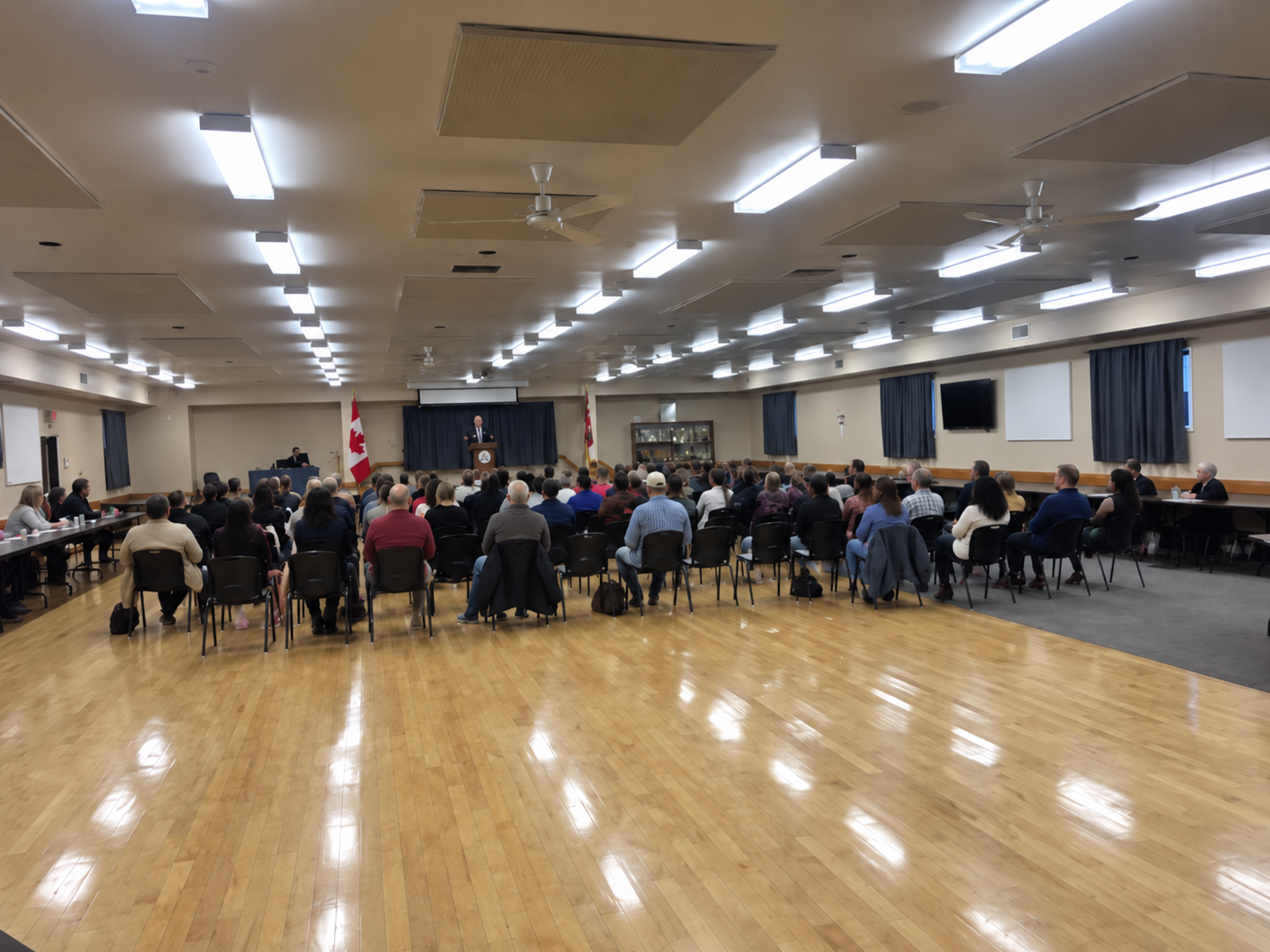
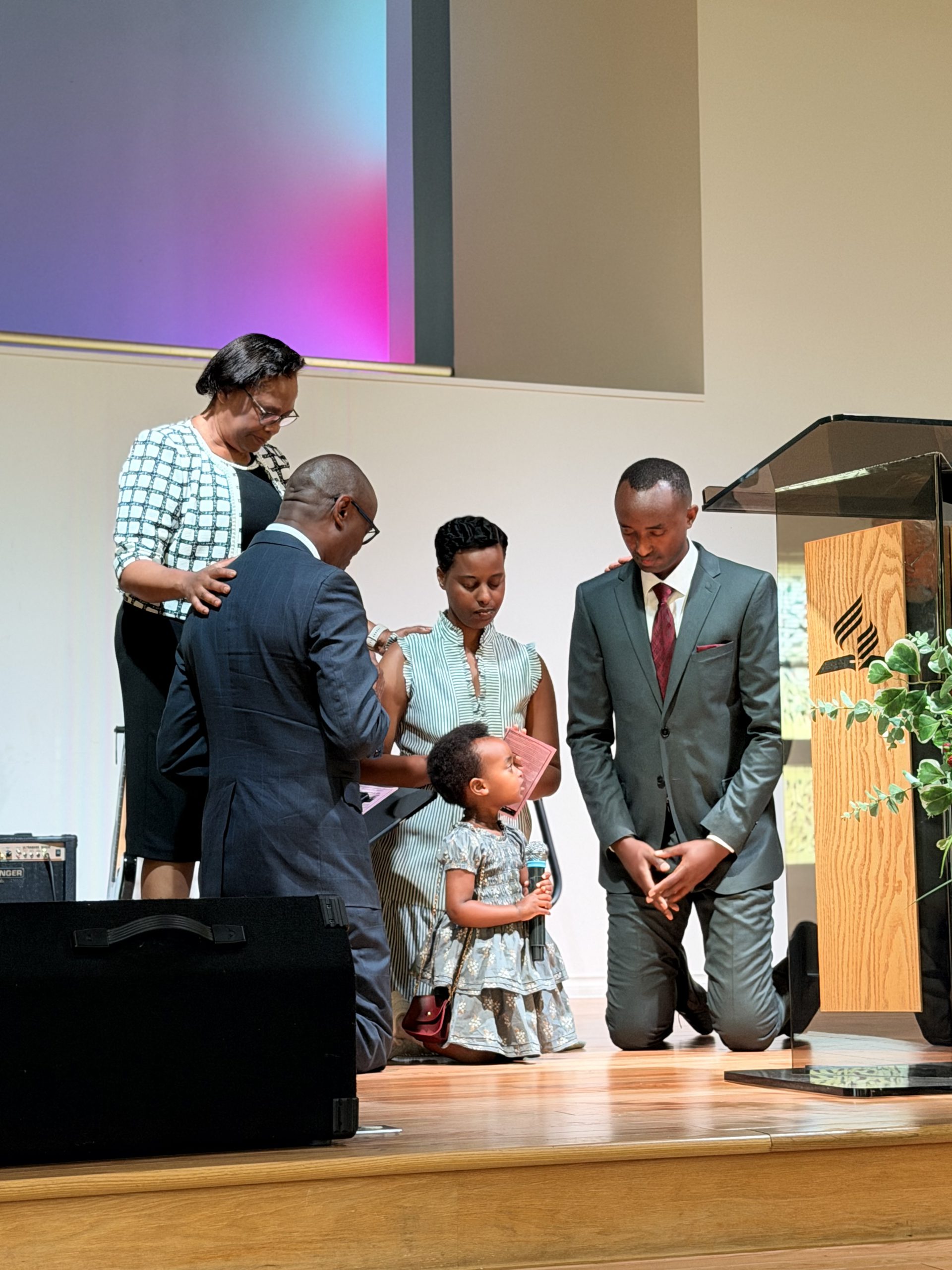
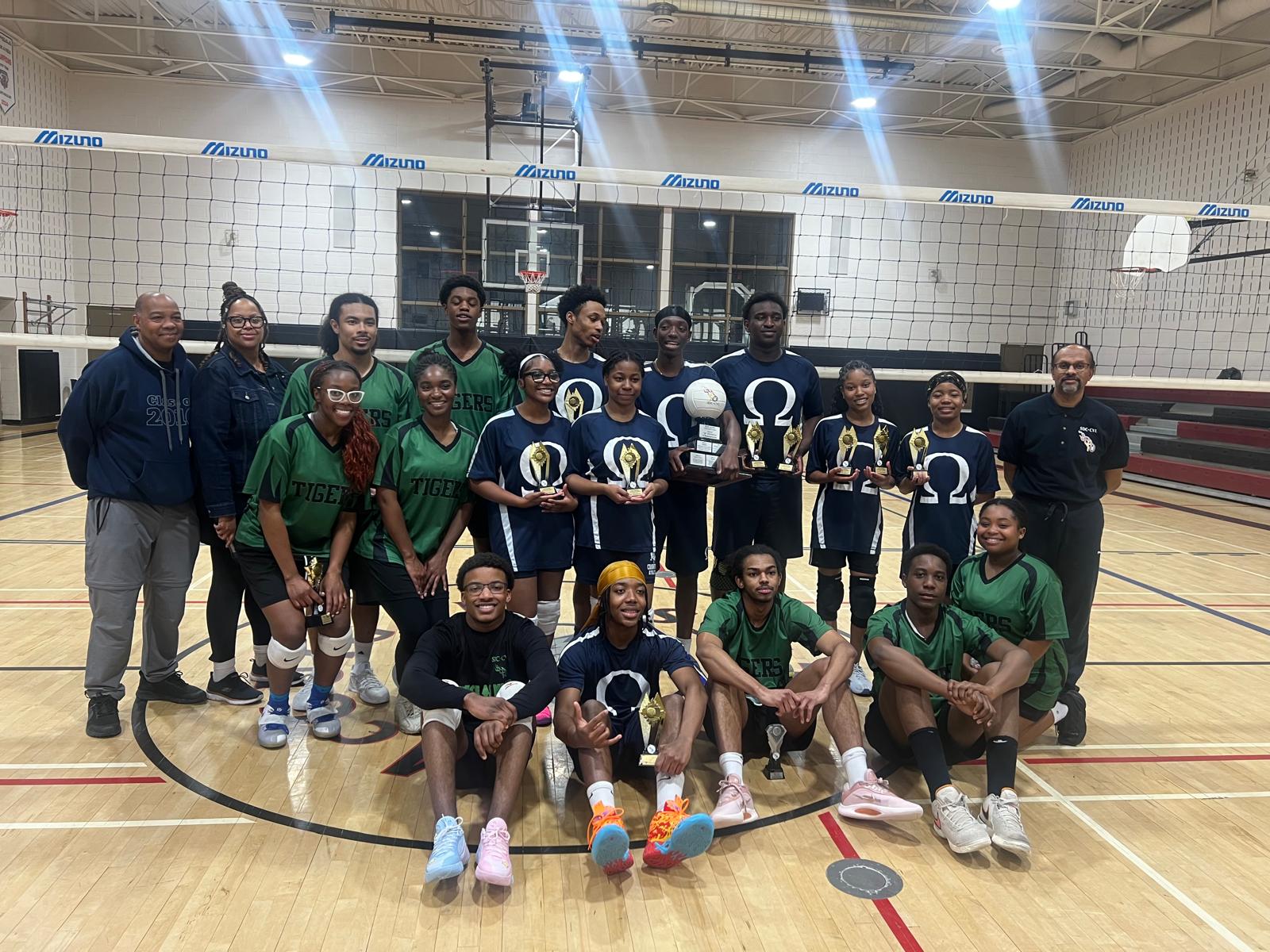

The question is barely halfway read when a buzzer cuts through the room. A teenager leans forward, eyes locked, voice steady. The answer comes quickly, almost instinctively. Across the stage, another team shifts in their seats, ready, alert, smiling through the tension. Then the moderator pauses, just long enough to stretch the moment.
“You’re right.”
The room exhales. Applause breaks. Someone laughs. And just like that, the game moves on.
If you walked in without context, you might think you'd stumbled into a quiz show. But this is Bible Bowl, and what looks like competition is really something else entirely, a kind of joyful collision between memory, community, and meaning.
Bible Bowl began, as many enduring ideas do, with a problem. In the late 1970s, Pastor Trevor H.C. Baker, then a youth director in New York, noticed something slipping. Young people were present but not deeply engaged with Scripture. The Bible, for many, felt distant, maybe even tedious. So, he reimagined the experience.
What if studying the Bible felt less like an assignment and more like a game night? What if Scripture could be fast, interactive, even a little thrilling? Out of that question came Bible Bowl, a quiz-based competition built on quick recall, teamwork, and a simple premise: make the Word something people want to return to.
The first matches were modest, even improvised. Players used desk bells before a proper buzzer system was introduced. But the response was immediate. Crowds gathered. Energy built. What had once felt like routine became electric.
There was, as one early account recalls, "a standing room only crowd" at the first demonstration. Something had shifted.
At its core, Bible Bowl is straightforward. Two teams. Four players each. Questions drawn directly from Scripture. Toss-ups for speed. Bonus questions for collaboration. Twelve minutes on the clock. But the simplicity is deceptive. Because what happens before those twelve minutes is where the real story lives.
Teams gather in living rooms, church basements, and classrooms. They read, quiz each other, argue over details, laugh when someone gets it wrong, and celebrate when it finally clicks. Over time, the verses stop feeling like lines to memorise and start feeling familiar, almost like a language they share.
"We studied, we played, we lost, we won, we fellowshipped," one longtime participant recalled. "But mostly we grew." That rhythm - study, play, repeat - becomes its own kind of culture.
There is competition, of course. Players learn to predict questions before they are finished being asked. They hover over buzzers, timing their instincts against the risk of answering too soon. The pace is quick, the stakes feel real, and the margin for hesitation is small. But unlike most competitions, the outcome carries a different weight. Even the creator insisted on it. In Bible Bowl, "there are no losers," because the real reward is the knowledge carried forward, the verses that stay with you long after the game ends. And that idea shows up everywhere.
In the way teams encourage each other mid-match. In the quiet nods between competitors who recognise the same passage. In the laughter that follows a missed answer, quickly replaced by another attempt. It is competitive, but not cutthroat. Focused, but rarely tense. The atmosphere feels closer to a shared challenge than a rivalry.
Over time, Bible Bowl spread. What started in one conference moved across regions, then across countries. Different age groups joined. New teams formed. Technology improved, buzzers became more sophisticated, software replaced index cards, but the structure stayed the same. More importantly, the feeling stayed the same.
For many, the entry point is curiosity. Someone invites them. They watch a match. They think, I could try that. Then something unexpected happens. They stay.
One participant, who first encountered Bible Bowl as a teenager, described it as "a whole new way of studying God's Word." Another spoke about the friendships that formed, the way teammates became like family, not just competing together, but growing together.
There are stories of students who struggled academically but found confidence through the discipline of study. Stories of people who travelled to places they never expected, simply because of a tournament. Stories of lives quietly reshaped by the habit of returning to the text over and again.
What makes Bible Bowl unusual is how it reframes something often seen as solitary. Reading the Bible is typically quiet, individual, reflective. Bible Bowl keeps the reflection but adds noise, movement, and interaction. It turns something inward into something shared. And in doing so, it lowers the barrier to entry. You do not have to be an expert. You do not need years of study behind you. You just need to start. That openness is part of its design. From its earliest days, the goal was to reach "people of all ages," to create an environment where anyone could engage, regardless of background or experience. And it works. Children sit beside adults. First-time players compete alongside seasoned ones. The questions do not change.
Back in the room, another question is asked. This time, no one buzzes immediately. There is a pause, longer than before. You can see the thinking happening.
Then, a buzzer. An answer. A beat. "You're right."
Again, the room responds, applause, relief, a few playful groans from the other side. It is a small moment. One of many. But taken together, these moments form something larger. A pattern of engagement. A habit of attention. A reminder that learning, even something as ancient as Scripture, can still feel immediate, even fun.
Bible Bowl does not try to replace traditional study. It does not claim to be the only way to engage the text. What it offers instead is an alternative rhythm; a way of encountering Scripture that feels less like an obligation and more like an invitation.
And that is why it has lasted. Because somewhere between the buzzers and the laughter, between the quick answers and the long hours of preparation, people discover something they did not expect. Not just that they can remember the Word. But that they want to.
Lurline West
______________
This article was originally published in the Kingdom Journal: A Publication of Adventist Youth Ontario, Volume 3, May 6, 2026, pp. 12-14.
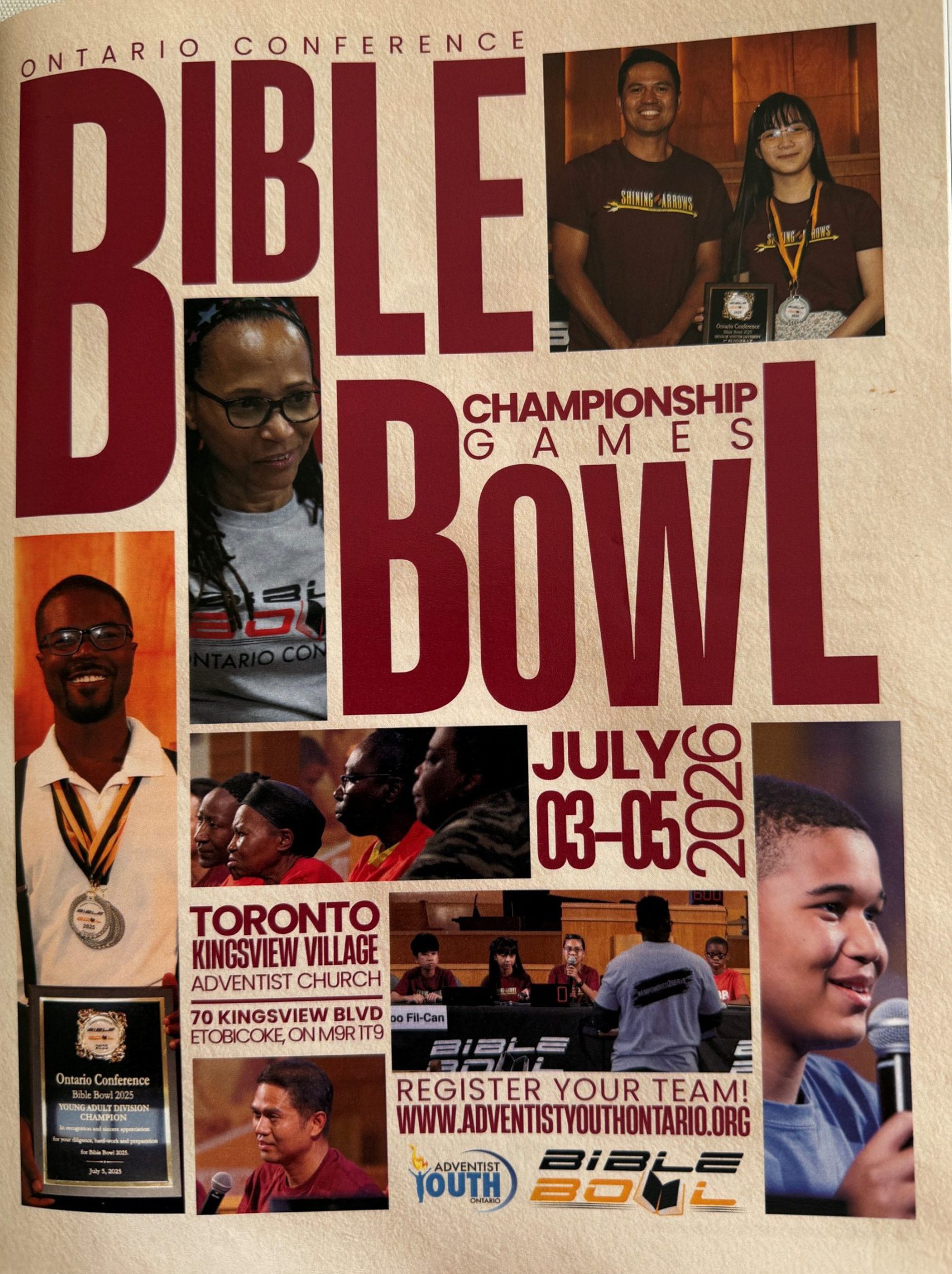
REGISTER YOUR TEAM
Whether your church has 1 team or 10, everyone from ages 6 to 100 will get a chance to play! So don’t delay. Register today for the Ontario Championship Games.
- Early Bird - $75 per team, until April 30th, 2026
- Late Bird - $100 per team, until June 20th, 2026