

The Things We Carry: Breaking Cycles and Building a Legacy of Healing
Posted: September 1st, 2026

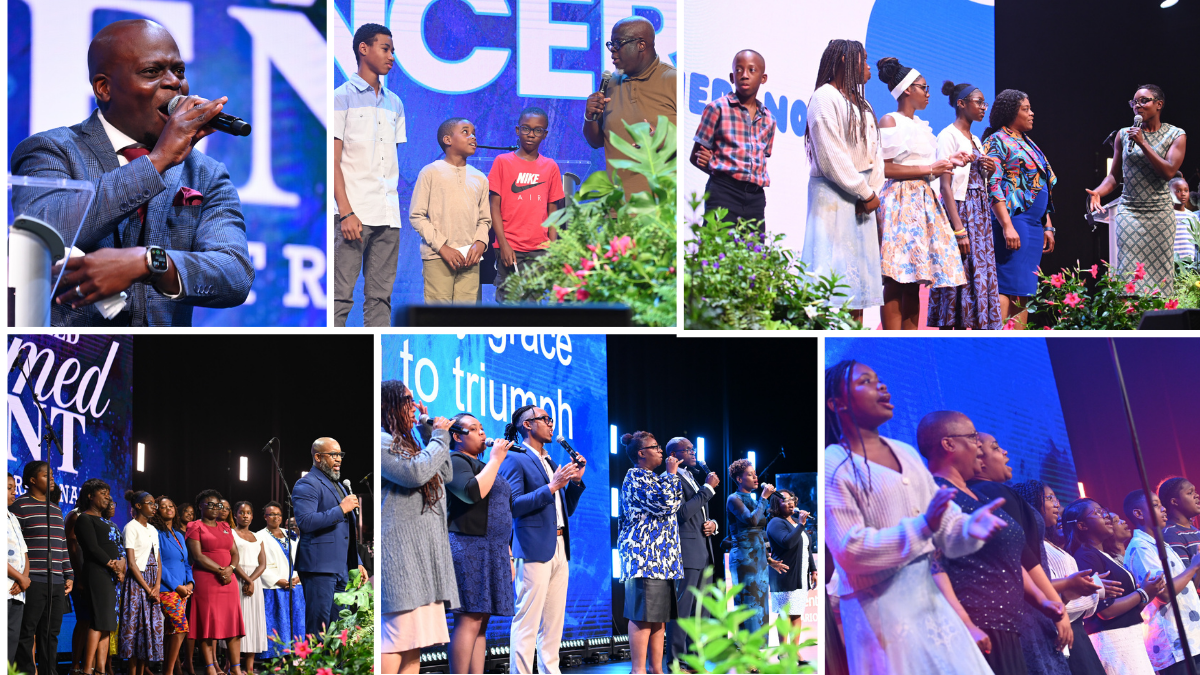
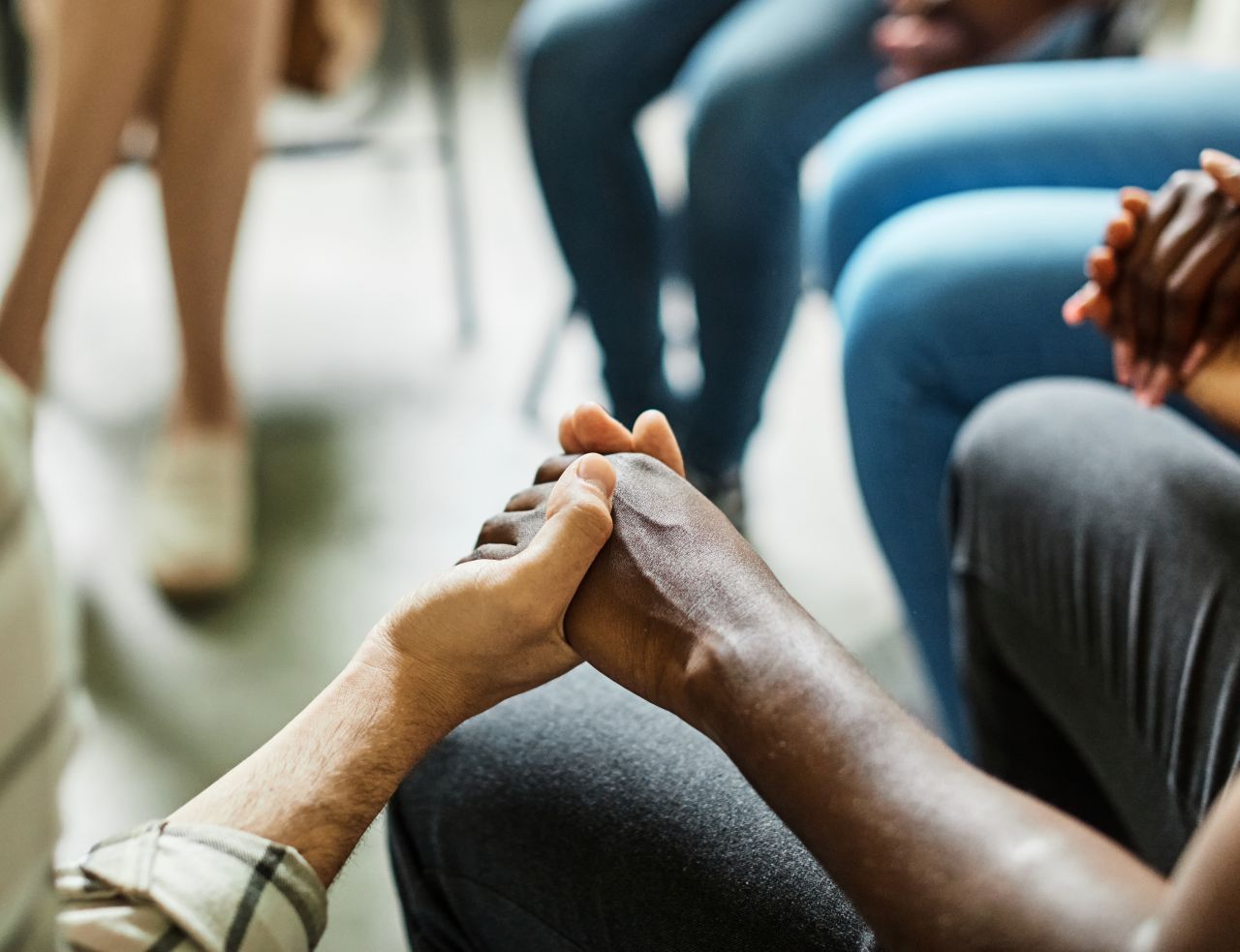
Berea Seventh-day Adventist Church creates space for honest conversations about intergenerational trauma, faith, family, and healing.
Some burdens begin before we have words to describe them. They can be carried through family stories, parenting practices, cultural expectations, unspoken pain, and patterns repeated across generations. From July 26 to August 1, 2026, Berea Seventh-day Adventist Church in Toronto addressed these realities through The Things We Carry: Exploring the Impact of Generational Trauma, an intergenerational trauma series.
Hosted by Melicia Dunchie, MACP, RP, and co-hosted by Pastor Kirk Dunchie, MPS, the series was presented as psychoeducation rather than therapy. Its purpose was to help participants understand how past experiences can shape present behaviour, recognise unhealthy patterns, and identify practical pathways toward healing.
Sessions explored intergenerational trauma and the four trauma responses: fight, flight, freeze, and fawn. Participants learned how responses developed for survival can persist long after danger has passed. The series encouraged compassionate reflection, moving beyond simply asking, “What is wrong with me?” to also asking, “What happened to me, and what did I learn to do to survive?”
The discussion examined trauma within an Afro-Caribbean context, including the effects of slavery, colonialism, indentured servitude, racial oppression, forced migration, family separation, and cultural silence. Patterns such as emotional suppression, strict discipline, hyper-independence, secrecy, and difficulty expressing vulnerability were explored without assigning blame.
Church culture was also examined, including shame, secrecy, perfectionism, authoritarianism, spiritual bypassing, and the tendency to interpret trauma-related struggles solely as sin. Biblical stories, including those of Hagar, Joseph, and Job, provided theological perspectives on suffering, family dysfunction, responsibility, and redemption.
Friday evening focused on Tamar’s story in 2 Samuel 13, highlighting family dysfunction, abuse, and the ripple effects of generational patterns. Participants were reminded that individuals are not condemned for the sins of their ancestors and that, through faith, personal responsibility, support, and Christ’s redemptive power, unhealthy cycles can be interrupted.
The series also explored attachment styles, emotional awareness, triggers, boundaries, and coping strategies. Tools such as the emotion wheel, Circle of Security, and C.A.R.E. Framework encourage curiosity over criticism, agency in the present, regulation before reaction, and environments that support healing.
The week concluded with Are You Ready to Heal? and a youth-focused session addressing the influence of culture, family, society, and social media.
The Things We Carry acknowledged that healing is neither quick nor simple. Yet its message was hopeful: trauma can be passed from one generation to another, but healing can be passed on as well. Berea affirmed that silence does not have to be our inheritance and pain does not have to be our legacy. With God’s help, families and faith communities can understand, heal, break unhealthy cycles, and thrive together.
Samanta Browne
Berea Seventh-day Adventist Church